

Why Choose Sport in Thunder MaxWin
- ⚽
Full Coverage
Follow a wide variety of sports, including football, basketball, and more.
- 📊
Detailed Statistics
Access comprehensive data to help you make informed decisions.
- 🎁
Special Promotions
Earn exclusive bonuses and participate in end-of-year offers.
Monopoly and Thunder MaxWin: Modern Perspectives
- 🏆
Soccer
Watch live matches and enjoy the best betting options.
- 🏀
Basketball
Dive into the on-court action with exclusive stats and analysis.
- 🎾
Tennis
Bet on international tournaments with competitive odds.
Exploring the Exciting World of FloatingMarket: Discover the Thrills of Thunder MaxWin
Dive into the captivating universe of FloatingMarket and the exhilarating Thunder MaxWin feature that promises endless excitement.
- 📖
Study team statistics and performance before betting.
- 🕒
Gamble responsibly and set clear limits.
- 💡
Take advantage of seasonal promotions to maximize your earnings.

Monopoly

Understanding Monopoly: The Role of Thunder MaxWin
Monopoly, a term widely associated with board games, holds a deeper significance in the realms of economics and business. It connotes a market structure where a single entity dominates, often leading to inefficiencies and reduced market competition. In today's digital age, entities like Thunder MaxWin are shaping the dynamics of monopolies in unexpected ways.
What Defines a Monopoly?
A monopoly occurs when a specific person or enterprise is the only supplier of a particular commodity or service in a market. It eliminates competition, allowing the monopolistic entity to control prices, influence market supply, and often, dictate consumer choice. These conditions might arise due to various factors like the exclusivity of resources, government regulations, or innovative technology that others cannot replicate.
In economic terms, monopolies are categorized by their ability to sustain supernormal profits over long periods. Whether through legal barriers or significant capital requirements, new entrants find it challenging to break the monopoly's market share. Classic examples include utility companies and copyrighted materials that secure exclusive rights for their holders.
Thunder MaxWin: A New Player in the Monopoly Arena
Thunder MaxWin exemplifies a modern take on monopolistic practices seen through the lens of digital enhancement. In niches where data and technology converge, companies like Thunder MaxWin are setting parameters that dictate new forms of market dominance. Unlike traditional monopolies, these entities leverage tech-driven advantages to cement their status.
The advent of sophisticated algorithms and analytics allows Thunder MaxWin to harness vast amounts of data, paving the way for targeted marketing and customer insights. Such advantages enable companies to offer personalized services, effectively building consumer loyalty and discouraging shift to potential competitors.
The Advantages of Monopolies
While the term monopoly often carries negative connotations, there are several advantages associated with them. With their substantial market clout, monopolies can achieve economies of scale. For a company like Thunder MaxWin, this translates into lower per-unit costs due to high-volume production, which in theory could lead to lower prices for consumers.
Monopolies also have the potential to invest significantly in research and development (R&D). With fewer pressures from competitors, entities like Thunder MaxWin can allocate more resources to innovate, paving the way for technological breakthroughs that benefit society. Investments in R&D can lead to advancements that would otherwise be unthinkable in fiercely competitive markets where conserving capital is often a priority.
The Downside: Market Implications and Consumer Impact
Despite these benefits, monopolies often breed inefficiencies and complacency. For instance, when a behemoth like Thunder MaxWin dominates its sector, its lack of challengers might result in reduced incentives to improve product quality. Moreover, monopoly-driven industries may witness inflated prices since the monopolist can dictate terms without fearing underpricing by competitors.
Reduced competition can also stifle innovation over time as newer companies struggle to gain a foothold due to resource limitations. In environments orchestrated by giant commands like Thunder MaxWin, it is not uncommon for smaller players with revolutionary ideas to be sidelined, thus impairing broad-spectrum industry growth. The innovation cycle, vital for technological advancement, may lose momentum as a result.
Regulatory Measures and Mitigation
Governments worldwide often employ various strategies to counter monopolistic practices and safeguard consumer interests. This typically involves antitrust laws designed to break up large entities or regulate their operations to encourage fair competition. For companies like Thunder MaxWin, this might entail undergoing scrutiny to ensure compliance with regulations aimed at promoting a balanced market.
An additional method involves encouraging consumer choice through policies that incentivize and lower barriers for new entrants. By fostering an environment where more players can introduce novel ideas and products, potential monopolistic control can be mitigated. Such initiatives provide consumers with alternatives, breaking the stronghold large companies might otherwise maintain.
The Role of Technology in Shaping Future Monopolies
Technology presents a double-edged sword when it comes to monopolies. On one hand, it grants entities like Thunder MaxWin the tools to reinforce their market dominance. Big data, IoT, and AI are instrumental in refining operations, predicting market trends, and elevating consumer experiences. The ability to anticipate consumer needs often leads to unbeaten efficiency.
Conversely, technology can also be a powerful equalizer, offering new firms unprecedented opportunities to disrupt established players. Innovations in decentralization and digital platforms can democratize market access, empowering consumers and diminishing traditional monopolies' stranglehold. However, the ability of incumbents like Thunder MaxWin to adapt swiftly could potentially neutralize these disruptions if not strategically regulated.
Conclusion
In summary, monopolies have a multifaceted role in modern economics, simultaneously presenting opportunities and challenges. Companies like Thunder MaxWin illustrate how technological advancements can intensify market dominance, manifesting new forms of monopolistic control. As market dynamics evolve, it becomes imperative for regulators and societal stakeholders to deliberate on mechanisms that balance innovation with market fairness, ensuring sustained economic health for future generations.
News Center
-

Explore the unique game HacivatandKaragoz, where players navigate an intriguing world powered by Thunder MaxWin mechanics.
-

Explore the thrilling gameplay of FruitsAndJokers20 with its dynamic Thunder MaxWin feature. Dive into an exciting gaming experience characterized by vibrant visuals and rewarding mechanics.
-

Dive into the thrilling world of MoneyPotDELUXE and discover the exciting features, gameplay, and winning opportunities with Thunder MaxWin.
-
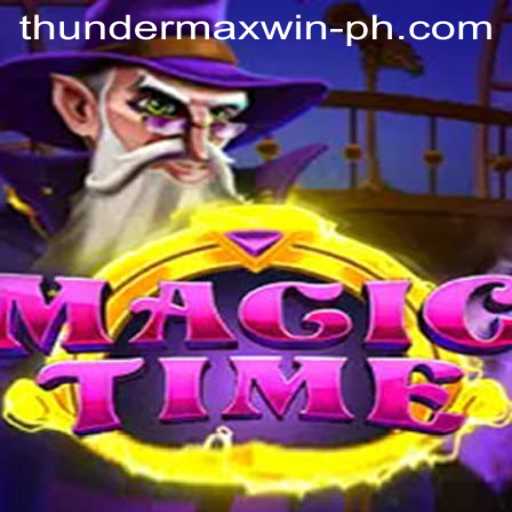
Explore the captivating universe of MagicTime and discover Thunder MaxWin, a game that merges fantasy with strategic gameplay.
-

Discover the thrilling world of 'DoubleWilds' and how the 'Thunder MaxWin' feature enhances gameplay with exciting rewards and challenges.
-
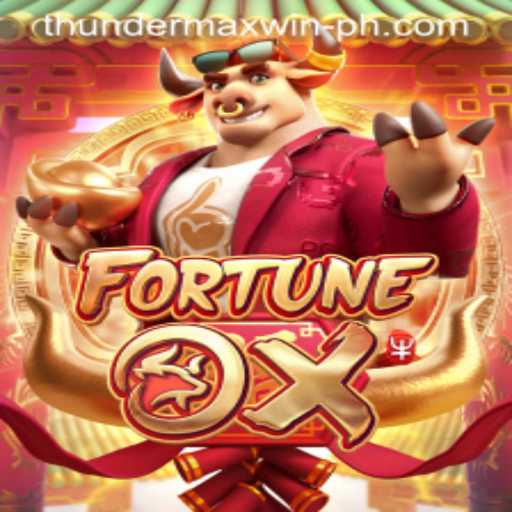
Dive into the captivating world of FortuneOx, a game where strategic mastery meets thrilling opportunities, enhanced by the unique Thunder MaxWin feature.
-
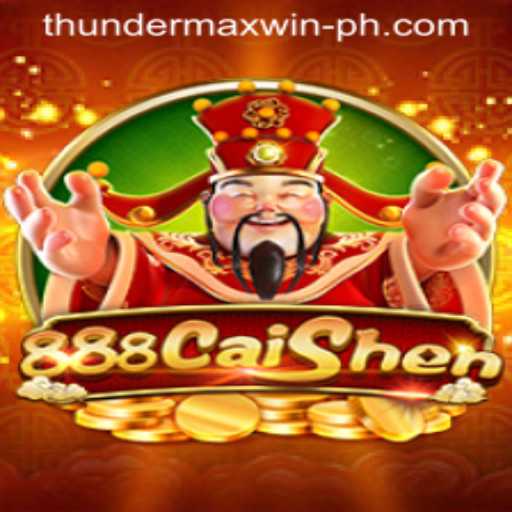
Discover the fascinating world of 888CaiShen, a captivating online casino game known for its Thunder MaxWin feature.
-

Explore the thrilling world of RiseofHorus with Thunder MaxWin feature. Discover game mechanics, rules, and how current gaming trends are reflected in this captivating experience.


